How AI Is Transforming the Beauty Industry: Uses, Benefits, and Future Trends
Published: 6 Nov 2026
The beauty industry is changing fast, and artificial intelligence (AI) is playing a big role in this change. From finding the right skincare products to trying virtual makeup, AI makes beauty shopping easier and more personal. But how does this technology work, and how does it help beauty brands and customers?
You will learn how AI is changing the beauty world. We will explore its key uses, benefits, real-life examples, and popular AI-powered beauty tools. We will also look at its challenges and what the future may bring.
Whether you love skincare, makeup, or beauty technology, this article will help you understand how these tools work and how they can improve your beauty experience. By the end, you will have a clear understanding of AI in the beauty industry and how it is shaping the future of beauty.
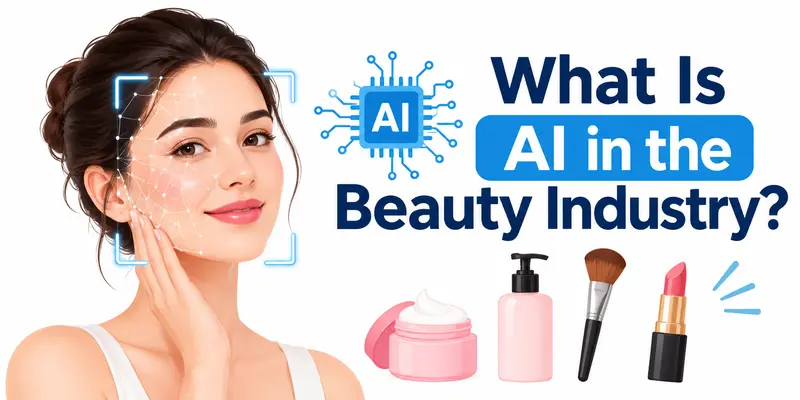
What Is AI in the Beauty Industry?
AI in the beauty industry means using artificial intelligence to make beauty products and services smarter, faster, and more personal. It helps beauty brands understand customer needs and offer better solutions for skincare, makeup, and hair care.
AI uses data, images, and smart computer systems to study skin types, face shapes, and beauty needs. It can then suggest products or treatments that match each person’s needs.
For example, some beauty apps let users upload a selfie and check their skin. The AI system studies the image and may show signs of acne, dark spots, wrinkles, or dry skin. It can also suggest skincare products based on the results.
How AI Is Used in the Beauty Industry
Artificial intelligence is changing how people buy, use, and experience beauty products. Many beauty brands now use AI to understand customer needs and offer better products. It also helps customers find skincare, makeup, and hair care products that match their personal needs.
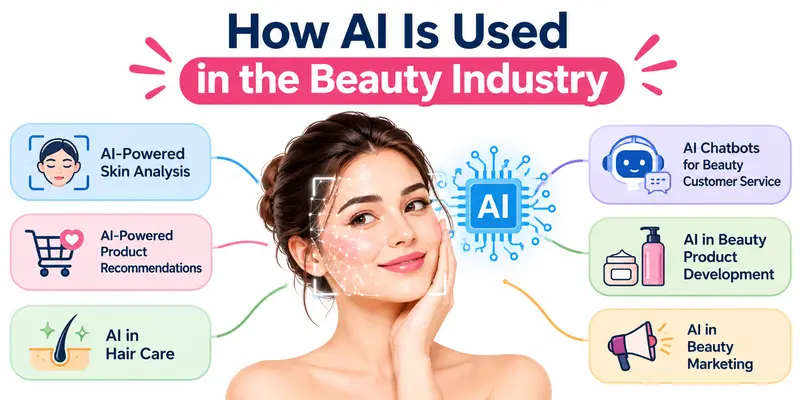
Let’s explore the most common ways AI is used in the beauty industry.
1. AI-Powered Skin Analysis
AI helps people understand their skin and identify visible skin concerns. It uses facial images to study features such as acne, dark spots, wrinkles, and skin texture.
Users can upload a selfie through a beauty app. The AI system analyzes the image and provides information about visible skin concerns. It may also suggest suitable skincare products.
2. AI-Powered Product Recommendations
Online beauty stores use AI to suggest products based on customer interests and shopping habits.
AI studies what people search for, view, and buy. It then recommends products that match their preferences.
3. AI in Hair Care
AI also helps people find better hair care products and styles. Some beauty apps analyze hair images and provide suggestions based on visible hair concerns.
These tools can help users explore hairstyles, hair colors, and hair care products.
4. AI Chatbots for Beauty Customer Service
Beauty brands use AI chatbots to answer customer questions and provide shopping help.
These chatbots can explain product features, suggest beauty products, and answer common questions. They can also help customers find information without waiting for a human support agent.
5. AI in Beauty Product Development
AI helps beauty companies create and improve their products. It can study customer feedback, market trends, and ingredient data to find new product ideas.
This helps brands understand what customers want and develop products that meet their needs.
6. AI in Beauty Marketing
Beauty brands use AI to create better marketing campaigns. It helps them understand customer interests and show relevant ads to the right audience.
AI can also help brands study market trends, plan social media content, and understand customer feedback.
Benefits of AI in the Beauty Industry
Artificial intelligence is bringing many positive changes to the beauty industry. It helps beauty brands understand customers, improve their products, and offer better services. It also makes it easier for people to find skincare, makeup, and hair care products that match their needs.
From personalized product suggestions to virtual makeup tools, AI makes beauty experiences faster, easier, and more convenient.
Let’s explore the main benefits of AI in the beauty industry.
- AI-Powered Skin Analysis: AI analyzes facial images to identify visible skin concerns like acne, wrinkles, and dark spots. It can also suggest suitable skincare products.
- Virtual Makeup Try-On: AI and augmented reality (AR) let users try makeup virtually. They can test lipstick, foundation, and eyeshadow using their phone cameras.
- Personalized Skincare Recommendations: AI studies skin types, concerns, and customer preferences to suggest suitable skincare products.
- AI-Powered Product Recommendations: AI studies customer searches and shopping habits to suggest beauty products that match their interests.
- AI in Hair Care: AI helps users explore hairstyles, hair colors, and hair care products based on their needs.
- AI Chatbots for Beauty Customer Service: AI chatbots answer customer questions, explain products, and provide shopping suggestions.
- AI in Beauty Product Development: AI studies customer reviews, market trends, and ingredients to help brands improve existing products and create new ones.
- AI in Beauty Marketing: AI helps beauty brands understand customer interests, study trends, and create targeted marketing campaigns.
Challenges of Using AI in the Beauty Industry
AI offers many benefits to the beauty industry, but it also comes with some challenges. Beauty brands must handle these issues to provide safe, fair, and reliable services.
Let’s look at the main challenges.
Data Privacy Concerns: AI beauty apps often collect personal information, selfies, and skin details. Poor data protection can put customer privacy at risk.
High Development Costs: Building AI-powered beauty tools requires skilled workers, advanced technology, and money. Small beauty brands may struggle to afford these tools.
Inaccurate Skin Analysis: AI tools do not always provide accurate results. Lighting, image quality, and skin differences can affect their analysis.
Lack of Human Touch: AI can suggest products, but it cannot fully replace human beauty experts. Some customers still prefer personal advice from trained professionals.
Bias in AI Systems: Some AI tools may not work equally well for all skin tones and types. This can lead to unfair or incorrect results.
Customer Trust Issues: Some people do not feel comfortable using AI for beauty decisions. They may worry about incorrect suggestions, privacy, or product quality.
Popular AI Beauty Tools and Technologies
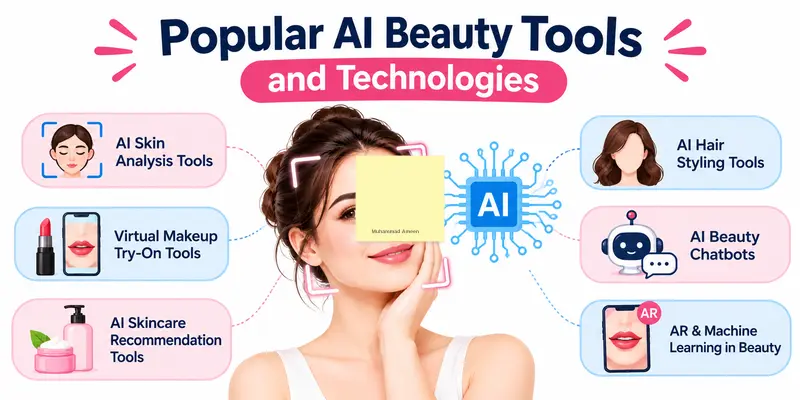
AI has introduced many useful tools that make beauty care easier and more personal. These tools help people analyze their skin, try makeup, explore hairstyles, and find suitable beauty products.
Many beauty brands now use AI technology to improve customer experiences. Let’s explore some popular AI beauty tools and technologies.
1. AI Skin Analysis Tools
AI skin analysis tools study facial images to identify visible skin concerns such as acne, wrinkles, dark spots, and uneven skin tone. They can also suggest suitable skincare products.
Example: Users can upload a selfie and receive a skin analysis through an AI-powered beauty app.
2. Virtual Makeup Try-On Tools
These tools use AI and augmented reality (AR) to let users try makeup products digitally. People can test lipstick, foundation, blush, and eyeshadow without applying them physically.
Example: Users can try different lipstick shades through their phone cameras before buying them.
3. AI Skincare Recommendation Tools
These tools study skin types, personal needs, and beauty preferences to suggest suitable skincare products. They also help users build simple skincare routines.
Example: An AI skincare tool may suggest a cleanser and moisturizer based on a user’s skin concerns.
4. AI Hair Styling Tools
AI hair tools help users explore different hairstyles, hair colors, and hair care options. They allow people to preview a new look before making a change.
Example: Users can test brown, blonde, or black hair colors on their photos.
5. AI Beauty Chatbots
AI chatbots help customers find beauty products and get answers to common questions. They explain product features and provide basic shopping guidance.
Example: A customer can ask a chatbot to suggest a moisturizer for dry skin.
6. Popular AI Beauty Tools and Examples
Several companies offer AI-powered tools for beauty customers and businesses.
- YouCam Makeup: Lets users try virtual makeup, hairstyles, and different beauty looks.
- ModiFace: Helps customers try makeup and hair colors virtually.
- Revieve: Provides personalized skincare and beauty recommendations.
- Banuba: Offers virtual makeup, face effects, and beauty features.
- OnSkin: Helps users check cosmetic ingredients and explore skincare routines.
These tools make beauty technology more useful for customers and businesses.
7. Augmented Reality (AR) in Beauty
Augmented reality adds digital images to the real world through a camera. Beauty brands use this technology to show makeup and hair colors on a customer’s face.
Example: A user can open a beauty app, point the camera at their face, and see how a new lipstick shade looks.
8. Machine Learning in Beauty
Machine learning is a type of AI that learns from data and finds patterns. Beauty companies use it to understand customer preferences and improve product recommendations.
Example: An online beauty store can study past purchases and suggest products that match a customer’s interests.
How Can Customers Use AI Beauty Tools?
AI beauty tools make it easier for customers to choose beauty products and explore new looks. People can use these tools through mobile apps, websites, and online beauty stores.
Here are some simple ways customers can use AI beauty tools.
Analyze Your Skin: Customers can upload a selfie to an AI-powered beauty app. The tool studies the image and identifies visible skin concerns such as acne, wrinkles, and dark spots.
Try Makeup Virtually: Customers can use virtual makeup tools to test different products without applying them to their faces.
Find Suitable Skincare Products: AI tools can suggest skincare products based on skin type, personal needs, and beauty preferences.
Explore New Hairstyles: Customers can use AI tools to preview different hairstyles and hair colors before visiting a salon.
Get Beauty Advice: AI beauty chatbots can answer common questions and provide basic product suggestions.
Compare Beauty Products: Some AI-powered tools help customers compare product features, ingredients, and customer preferences.
The Future of AI in the Beauty Industry
AI is changing the beauty industry, and its role will become even bigger in the coming years. Beauty brands will use smarter technology to understand customer needs, improve products, and offer better services.
Let’s explore how AI may shape the future of beauty.
1. More Personalized Skincare
In the future, AI will help people find skincare products that match their skin type and concerns. Advanced tools may study skin images, customer preferences, and daily skincare habits to provide better recommendations.
For example, an AI-powered skincare app may suggest different products for acne, dry skin, or dark spots. It may also help users build a simple daily skincare routine.
2. Smarter Virtual Makeup
Virtual makeup tools will become more realistic and easier to use. Customers will be able to test different makeup products through their phone cameras before buying them.
These tools may offer better color matching and more natural results. This will help people choose suitable makeup shades without visiting a physical store.
For example, a customer may try different lipstick and foundation shades online before placing an order.
3. Advanced Skin Analysis
AI skin analysis tools may become more accurate and helpful. Future apps may study facial images in greater detail and identify visible concerns like wrinkles, acne, dark spots, and uneven skin tone.
These tools may also help users track changes in their skin over time. This can make it easier to understand skincare progress.
For example, a user may take a monthly selfie and compare changes in their skin through an AI-powered app.
4. Better Beauty Products
AI will help beauty companies understand what customers want. Brands may use customer reviews, market trends, and ingredient data to develop new skincare, makeup, and hair care products.
This can help companies improve product quality and create products that meet customer needs.
For example, a skincare brand may study customer feedback and develop a moisturizer for people who prefer lightweight products.
5. Improved Customer Experiences
AI will make online beauty shopping easier and more helpful. Smart chatbots and virtual assistants will answer customer questions, explain product details, and suggest suitable products.
In the future, these tools may offer more personal support based on customer preferences and shopping habits.
For example, a customer may ask an AI assistant to find a sunscreen for daily use and receive useful product suggestions.
6. Faster Beauty Industry Innovation
AI will help beauty companies study market trends, customer needs, and product performance. It can process large amounts of information quickly and help businesses find new opportunities.
This may help brands develop new products, improve their marketing plans, and make faster business decisions.
For example, a makeup company may use AI to study popular makeup trends and plan its next product collection.
Conclusion
AI is changing the beauty industry in many exciting ways. From smart skin analysis and virtual makeup try-ons to personalized skincare recommendations, AI helps people find beauty solutions that match their needs. It also helps beauty brands improve their products and offer better customer experiences. The growth of AI in the beauty industry is making beauty care more simple, personal, and accessible.
My recommendation is to explore different AI beauty tools before choosing one. Compare their features, check user reviews, and select a tool that fits your skin type, beauty goals, and budget. You can use these tools to discover new products, test makeup looks, and make smarter beauty choices. However, always check product ingredients and ask a beauty expert for advice when needed.
Now it’s your turn! Try an AI beauty tool and see how it can improve your beauty routine. Have you already used one? Share your experience in the comments below. You can also explore our other AI guides to discover more useful tools and learn how AI can make everyday tasks easier.
FAQs
AI is changing how people explore beauty products, care for their skin, and choose makeup. But you may still have questions about how these tools work, how accurate their results are, and whether they are safe to use. Here are some common questions and simple answers to help you understand AI in the beauty industry and make smarter beauty choices.
The main purpose of AI in the beauty industry is to make beauty services more personal, helpful, and efficient. It helps customers find suitable skincare products, test makeup looks, and get beauty recommendations. Beauty brands also use AI to understand customer needs and improve their products.
No, AI cannot fully replace beauty experts, dermatologists, or skincare professionals. AI tools can offer basic guidance and product suggestions, but they cannot provide the same care and judgment as a trained professional. For serious skin problems, allergies, or unusual changes, always consult a qualified expert.
AI skin analysis can help identify visible skin concerns, but its results are not always accurate. Image quality, lighting, camera settings, and skin tone can affect the results. Use these tools as a starting point for your beauty routine, not as a medical diagnosis.
Beauty brands use AI to improve products, understand customers, and create better shopping experiences.
- Customer service: AI chatbots answer questions.
- Personalized marketing: AI suggests relevant products.
- Product development: AI helps improve beauty products.
- Faster decisions: AI analyzes customer data.
Popular beginner-friendly AI beauty tools include:
- YouCam Makeup: Virtual makeup try-ons.
- ModiFace: Virtual beauty experiences.
- Revieve: Skincare recommendations.
- Banuba: Makeup and face effects.
Small beauty businesses can use AI to save time, attract customers, and improve sales.
- Marketing: Create social media posts and product descriptions.
- Customer service: Answer questions with AI chatbots.
- Sales: Suggest products based on customer needs.
- Feedback: Understand customer opinions and improve services.
The future of AI in the beauty industry will likely bring more personal beauty services and smarter digital tools. AI may help brands improve skin analysis, create better product matches, and offer more realistic virtual try-ons. It may also help customers compare products and make informed choices. Human experts will still play an important role in beauty care.

- Be Respectful
- Stay Relevant
- Stay Positive
- True Feedback
- Encourage Discussion
- Avoid Spamming
- No Fake News
- Don't Copy-Paste
- No Personal Attacks
- Be Respectful
- Stay Relevant
- Stay Positive
- True Feedback
- Encourage Discussion
- Avoid Spamming
- No Fake News
- Don't Copy-Paste
- No Personal Attacks
