AI in Beauty Products: Technology, Applications, and Challenges
Published: 6 Nov 2026
Have you wondered how beauty brands create products that match your skin type, suggest the right skincare routine, or help you find the perfect makeup shade?Artificial intelligence (AI) is changing the beauty industry in exciting ways. Today, beauty brands use AI to understand customer needs, improve products, and offer more personal beauty experiences.
You will learn how AI works in beauty products and why more beauty brands use this technology. We will explore AI-powered skincare, virtual makeup try-ons, skin analysis, personalized product recommendations, and the benefits and challenges of using AI in beauty.
Whether you love skincare, makeup, or new technology, this article will help you understand how AI is changing beauty products. By the end, you will have a clear idea of how AI in beauty product development works and how it can help you make smarter beauty choices.
What Is AI in Beauty Products?
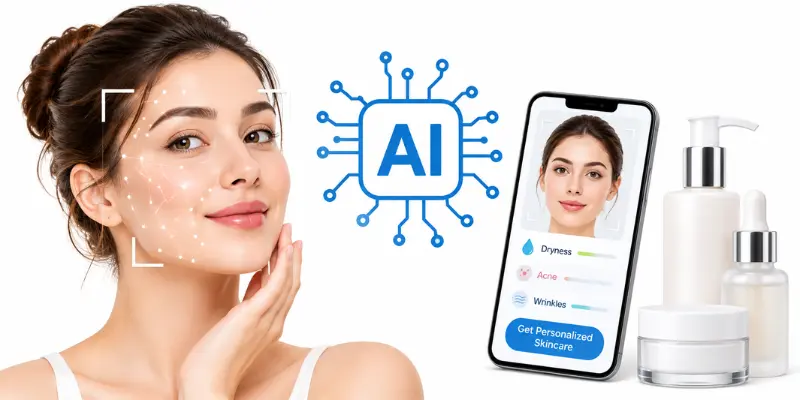
AI in beauty products means using artificial intelligence to make beauty products smarter, more personal, and more helpful. Beauty brands use AI to study skin types, understand customer needs, and suggest products that match each person’s skin and beauty goals.
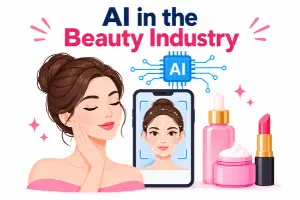
For example, some AI-powered apps let users take a photo of their face and check common skin concerns, such as acne, dark spots, wrinkles, and dryness. The app then uses AI to suggest suitable skincare products or beauty routines.
AI also helps beauty brands create better products by studying customer feedback, skin data, and beauty trends. Some brands use AI for virtual makeup try-ons. This feature lets users test lipstick, foundation, and other makeup shades on their faces through a phone or computer.
In simple words, AI helps beauty brands offer better product suggestions and create more personal beauty experiences. It also saves time and helps customers explore products before buying them.
How Does AI Work in Beauty Products?
AI uses different technologies to help beauty brands understand customer needs and offer better products. It can study facial features, check visible skin concerns, and suggest beauty products based on personal needs.
Let’s explore the main technologies that make AI work in beauty products.
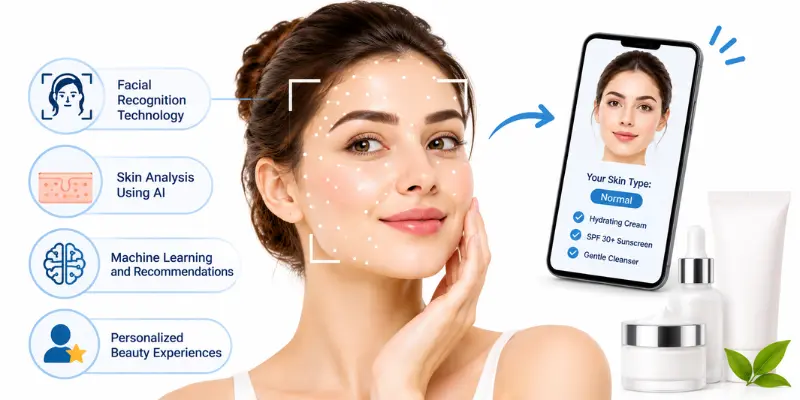
1. Facial Recognition Technology
Facial recognition technology helps AI identify and study different parts of the human face. It uses a camera to detect facial features, such as the eyes, nose, lips, cheeks, and forehead.
Beauty brands use this technology to improve virtual makeup tools and skin analysis apps.
For example, you can upload your photo to a beauty app and try different lipstick shades, eye makeup, or foundation colors. AI detects your facial features and places the makeup on your face in real time.
This technology also helps beauty apps study visible skin areas and offer useful skincare suggestions.
2. Skin Analysis Using AI
AI skin analysis tools help users understand their visible skin concerns. These tools use photos and computer vision to study different areas of the face.
They can look for common skin concerns, such as
- Wrinkles: AI checks visible fine lines and signs of aging.
- Dark Spots: It looks for areas with uneven skin tone or dark marks.
- Acne: It helps identify visible pimples and acne spots.
- Dryness: Some tools look for visible signs linked to dry skin.
After checking the image, the tool may suggest skincare products or beauty routines.
For example, if an app detects visible acne spots, it may suggest products made for acne-prone skin. However, AI skin analysis cannot replace advice from a qualified skin care professional.
3. Machine Learning and Beauty Recommendations
Machine learning is a type of AI that learns from data and finds useful patterns. Beauty brands use it to understand customer choices and improve product recommendations.
These systems can study information such as:
- Customer skin types and concerns.
- Previous product purchases.
- Product ratings and reviews.
- Personal beauty preferences.
- Customer feedback.
For example, if you often search for moisturizers for dry skin, an AI-powered beauty app may suggest similar products that match your needs.
Machine learning can also improve these suggestions as the system receives more useful data.
4. AI and Personalized Beauty Experiences
AI helps beauty brands create personal experiences for different customers. Instead of showing everyone the same products, AI can suggest options based on individual needs and preferences.
For example, two people may use the same beauty app but receive different skincare recommendations.
- Person A: Has oily skin and needs a lightweight moisturizer.
- Person B: Has dry skin and needs a rich, hydrating cream.
AI can use their skin information and preferences to suggest different products.
This makes beauty shopping easier and helps customers find products that better match their needs.
Top Uses of AI in Beauty Products
AI is changing the way people choose and use beauty products. Today, beauty brands use AI to offer personal skincare advice, test makeup online, study hair needs, and improve shopping experiences.
These tools help customers find products that match their needs. Let’s explore the top uses of AI in beauty products.
1. AI-Powered Skincare Products
AI helps people find skincare products based on their skin type and concerns. Some beauty apps use AI to study skin photos and suggest suitable products.
Here are some common uses:
- Personalized Skincare Recommendations: AI suggests skincare products based on skin type, age, and common skin concerns.
- Skin Analysis Apps: These apps study facial photos to identify visible concerns, such as acne, wrinkles, and dark spots.
- Smart Skincare Routines: AI helps users build daily skincare routines based on their personal needs and product choices.
2. AI Makeup and Virtual Try-On
AI makes online makeup shopping easier with virtual try-on tools. These tools let customers test makeup products on their faces without applying them physically.
Some popular uses include:
- Test Lipstick Shades Online: Users can try different lipstick colors through their phone or computer.
- Try Different Makeup Looks: AI lets users explore different makeup styles, including eye makeup and lip colors.
- Find Suitable Foundation Shades: Some tools compare visible skin tones with available foundation shades to suggest a possible match.
3. AI in Hair Care Products
AI also helps people understand their hair and scalp needs. Some beauty apps and smart tools use AI to study hair photos and suggest suitable hair care products.
Here are some common uses:
- Hair and Scalp Analysis: AI tools study visible hair and scalp features to identify concerns like dryness, thinning, and dandruff.
- Personalized Hair Care Suggestions: AI recommends shampoos, conditioners, and hair treatments based on user needs.
- Recommendations for Different Hair Types: Users can get suggestions based on straight, curly, wavy, or dry hair.
4. AI in Beauty Product Recommendations
Choosing the right beauty product can be difficult because many brands offer similar options. AI makes this process easier by studying customer needs and product information.
Some common uses include:
- Product Matching: AI compares customer needs with product features to suggest suitable options.
- Personalized Shopping Experiences: Online beauty stores use AI to show products based on customer interests.
- Suggestions Based on Customer Preferences: AI studies previous searches, purchases, and reviews to improve product suggestions.
5. Smart Beauty Devices
Smart beauty devices use AI and other digital technologies to offer more personal beauty experiences. Some devices connect to mobile apps and provide information based on user data.
Here are a few examples:
- AI-Powered Skin Scanners: These tools study facial images and show visible skin concerns.
- Smart Beauty Mirrors: Some smart mirrors use cameras and digital tools to help users explore makeup looks and check their appearance.
- Connected Skincare Devices: Some devices connect to mobile apps to track skincare routines and provide personal suggestions.
Benefits of AI in Beauty Products
AI offers many benefits to both beauty brands and customers. It helps people find suitable skincare products, try makeup online, and enjoy more personal shopping experiences. It also helps beauty brands understand customer needs and improve their products.
Let’s look at the main benefits of AI in beauty products.
- Personalized Beauty Recommendations: AI helps customers find beauty products that match their skin type, hair type, and personal needs. It studies user information and suggests suitable options.
- Better Skin Analysis: AI-powered skin analysis tools help users understand visible skin concerns. They can check facial images for signs of acne, wrinkles, dark spots, and uneven skin tone.
- Easy Makeup Testing: Virtual makeup try-on tools let customers test different makeup products without applying them to their faces.
- Saves Time and Effort: Finding the right beauty product can take a lot of time. AI helps customers explore suitable options without checking hundreds of products.
- Better Beauty Shopping Experience: AI makes online beauty shopping more personal and helpful. Beauty stores can suggest products based on customer searches, previous purchases, and interests.
- Reduces Product Selection Mistakes: AI can help customers compare beauty products and find options that better match their needs.
Popular Brands Using AI in Beauty
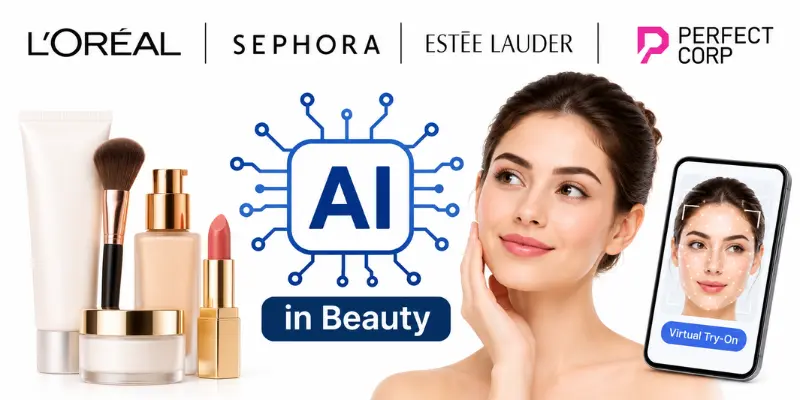
Many beauty brands use artificial intelligence (AI) to make beauty shopping easier and more personal. They use AI to study skin, suggest skincare products, and let customers try makeup online.
Some brands also use AI to create new digital beauty experiences. Here are four popular names that use AI in the beauty industry.
1. L’Oréal
L’Oréal is one of the leading beauty companies that uses AI to improve skincare and makeup experiences. The company uses AI and digital tools to help customers understand their skin and explore suitable beauty products.
Some popular uses include:
- AI-Powered Skin Analysis: Digital tools study facial photos to check visible skin concerns.
- Personalized Beauty Experiences: AI helps suggest beauty products based on customer needs.
- Virtual Makeup Try-On: Customers can test different makeup shades using digital tools.
- Hair Color Testing: Users can preview different hair colors before choosing a new look.
These features help customers explore beauty products and make more informed choices.
2. Sephora
Sephora is a popular beauty retailer that uses AI and augmented reality (AR) to improve online shopping. Its virtual beauty tools let customers try makeup products through their phones or computers.
Some key features include:
- Virtual Makeup Try-On: Customers can test different lipstick, eyeshadow, and makeup shades online.
- Digital Beauty Recommendations: Online tools help customers explore products based on their interests.
- Shade Matching: Digital tools help users find makeup shades that may match their skin tone.
- Personalized Shopping: Beauty recommendations help customers discover new products.
3. Estée Lauder
Estée Lauder uses AI and digital technology to create more personal beauty and skincare experiences. Its digital tools help customers explore skincare products and learn more about their beauty needs.
Some common uses include:
- AI-Based Skin Analysis: Digital tools help study visible skin concerns.
- Personalized Skincare: Customers can explore products based on their skin needs.
- Beauty Recommendations: Digital experiences help users find suitable skincare and makeup options.
- Virtual Beauty Experiences: Technology helps customers explore different beauty products online.
These features make it easier for customers to learn about skincare and discover products that match their preferences.
4. Perfect Corp
Perfect Corp is a technology company that develops AI and augmented reality tools for the beauty industry. It works with beauty brands to create digital experiences for makeup testing and skin analysis.
Some of its main features include
- AI Skin Analysis: Studies facial images to identify visible concerns such as wrinkles, acne, and dark spots.
- Virtual Makeup Try-On: Lets customers test different makeup products digitally.
- Hair Color Try-On: Helps users preview different hair colors before making a change.
- Beauty Technology: Provides digital tools that beauty brands can add to their websites and apps.
Challenges and Limitations of AI in Beauty Products
Artificial intelligence (AI) is making the beauty industry smarter and more personal. It helps customers find skincare products, test makeup online, and get beauty recommendations. However, AI also has some limitations that customers and beauty brands should understand.
AI tools do not always provide perfect results. They may also create privacy concerns and make beauty technology more expensive. Let’s look at the main challenges of using AI in beauty products.
- Privacy and Data Security: Many AI beauty apps collect facial photos and personal information to study skin and suggest products. This can create privacy risks.
- Inaccurate Skin Analysis: AI skin analysis tools can identify visible skin concerns, but their results are not always correct.
- High Cost of AI Technology: Developing advanced AI tools and smart beauty devices can cost a lot of money. Smaller beauty brands may also struggle to pay for advanced AI technology.
- Lack of Human Understanding: AI cannot fully understand individual skin needs, as two people with similar skin types may need different skincare products.
- Limited Access to Technology: Not everyone has access to smartphones, high-quality cameras, fast internet, or advanced beauty devices.
AI vs Traditional Beauty Products
Traditional beauty products and AI-powered beauty products both help people care for their skin, hair, and appearance. However, they offer different experiences. Traditional beauty methods often use general advice and manual product testing. AI-powered beauty uses technology to study skin features, suggest suitable products, and make shopping easier.
Key Differences Between Traditional and AI-Powered Beauty
| Feature | Traditional Beauty | AI-Powered Beauty |
| Product Selection | Offers general product advice | Gives personalized product suggestions |
| Skin Analysis | Uses manual checks or expert advice | Uses AI tools to analyze visible skin features |
| Makeup Testing | Requires physical product testing | Allows virtual makeup try-ons |
| Recommendations | Based on basic information and experience | Uses data to suggest suitable products |
| Shopping | Usually involves in-store or online searches | Offers AI-assisted product searches and suggestions |
| Convenience | May take more time to find suitable products | Can make product selection faster |
| Cost | Often has fewer technology-related costs | Some AI tools and smart devices may be expensive |
The Future of AI in Beauty Products
AI is changing the beauty industry, and its role is likely to grow in the coming years. Beauty brands are finding new ways to use AI to understand customer needs, improve products, and offer better shopping experiences.
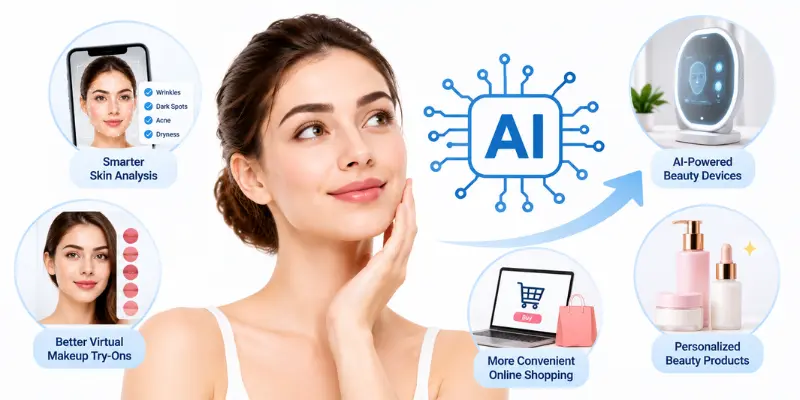
1. More Personalized Beauty Products
In the future, AI may help brands create products that better match each person’s skin type, hair type, and personal needs. Customers may receive more accurate skincare and makeup suggestions based on their preferences and skin concerns.
2. Smarter Skin Analysis
AI skin analysis tools may become more advanced. They could help users track visible skin changes, such as dark spots, wrinkles, and acne. This may make it easier to follow a skincare routine and choose suitable products. However, these tools will not replace professional medical advice.
3. Better Virtual Makeup Try-Ons
Virtual makeup tools may offer more realistic results. Users could test different lipstick colors, foundation shades, and makeup styles from their phones. This can help people explore products before buying them.
4. AI-Powered Beauty Devices
Smart mirrors, skin scanners, and connected beauty devices may become more common. These tools could study visible skin features and provide personal beauty suggestions. Some devices may also help users track changes over time.
5. Faster Beauty Product Development
Beauty brands may use AI to study customer feedback, product trends, and ingredient information. This could help companies find new product ideas and improve their existing products.
6. More Convenient Online Shopping
AI-powered shopping tools may make it easier to find beauty products. They could suggest products based on skin needs, budgets, and personal choices. This may save time and help customers make better buying decisions.
How to Choose AI-Powered Beauty Products
Choosing the right AI-powered beauty products can make your skincare and makeup routine easier. However, not every AI tool or product is reliable. Before buying one, consider these important tips.
1. Check Product Reviews
Read customer reviews and ratings before buying. They can help you understand product quality, features, and performance.
2. Choose Trusted Brands
Select products from well-known and trusted brands. Check the company’s website and product information to make sure the product is reliable.
3. Read Privacy Policies
Some AI beauty apps collect face photos and personal information. Read their privacy policies to understand how your data is stored and used.
4. Compare Product Features
Compare different products based on their features, price, and benefits. Choose one that matches your needs and budget.
5. Do Not Depend Only on AI Skin Analysis
AI skin analysis can help identify visible skin features, but its results may not always be accurate. Use its suggestions as general guidance.
6. Consult a Dermatologist
If you have acne, allergies, irritation, or other skin problems, consult a qualified dermatologist. AI tools cannot replace professional medical advice.
Conclusion
AI is changing the beauty industry by making skincare, makeup, and shopping more personal and convenient. From smart skin analysis to virtual makeup try-ons, AI in beauty product technology helps people explore products and find options that match their needs. It also gives beauty brands new ways to improve their products and customer experiences.
If you want to try AI-powered beauty products, start with trusted brands and compare different tools before making a purchase. Check customer reviews, protect your personal data, and do not depend only on AI skin analysis. In my opinion, AI works best as a helpful guide alongside your own experience and professional advice.
Now it is your turn! Explore some AI-powered beauty tools and see how they can improve your beauty routine. Have you ever used an AI beauty app or virtual makeup tool? Share your experience in the comments and tell us which AI beauty feature you find most useful.
FAQs
Explore the answers to the most common questions about AI in beauty products. Whether you want to understand how AI works, discover its uses in skincare and makeup, or learn about its benefits and limitations, these FAQs will help you. Find simple answers to make better decisions when choosing and using AI-powered beauty tools.
AI in beauty products means using artificial intelligence to make beauty tools and services smarter and more personal. It helps people explore skincare, makeup, and hair care products based on their needs. For example, an AI beauty app can study your skin concerns and suggest suitable skincare options.
Yes, AI can recommend skincare products based on your skin type, concerns, and preferences. Some tools ask questions or analyze a photo to suggest products that may suit your needs.
However, always check the ingredients before buying. If you have a skin condition or serious irritation, ask a dermatologist for advice.
AI beauty tools can give useful suggestions, but their results are not always accurate. Photo quality, lighting, camera settings, and skin differences can affect the results.
Use these tools as a starting point, not as the final answer. Always check product details and seek professional advice for medical skin concerns.
AI makes skincare shopping and product research easier by offering suggestions based on individual needs. It can also help users understand their skin concerns and explore different products.
Key benefits include:
- Personalized product suggestions.
- Faster product research.
- Easier comparison of skincare options.
- Better online shopping experiences.
- Help with building a simple skincare routine.
The future of AI in the beauty industry will likely bring more personalized products, smarter beauty devices, and better online shopping experiences. New tools may help people explore skincare and makeup options in more convenient ways.
Some possible developments include:
- More advanced skin analysis tools.
- Personalized skincare recommendations.
- Improved virtual makeup try-ons.
- Smart beauty devices for home use.
- Better ways for brands to understand customer needs.
AI will continue to support beauty experts and customers, but human advice and product safety will remain important.
AI-powered beauty products use artificial intelligence to offer smart features and personalized experiences. They can include mobile apps, online beauty tools, smart mirrors, and skincare devices.
For example:
- Smart mirrors that show virtual makeup looks.
- Apps that suggest skincare products.
- Tools that help users test makeup online.
- Beauty devices with personalized settings.



- Be Respectful
- Stay Relevant
- Stay Positive
- True Feedback
- Encourage Discussion
- Avoid Spamming
- No Fake News
- Don't Copy-Paste
- No Personal Attacks
- Be Respectful
- Stay Relevant
- Stay Positive
- True Feedback
- Encourage Discussion
- Avoid Spamming
- No Fake News
- Don't Copy-Paste
- No Personal Attacks
